nose Surgery
Refine Your Nasolabial Angle
We craft a beautiful nose line that harmonizes perfectly with your facial image through thorough analysis.

Nasal Tip Angle
Find the ideal angle between your nose and upper lip
for a more striking, defined appearance.
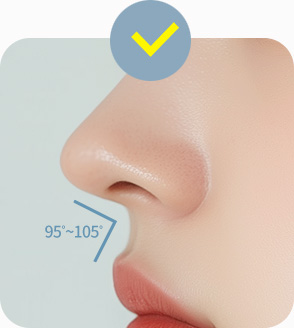
An Ideal Nasolabial Angle
for a Beautiful Side Profile
TOPCLASS
Nasolabial Angle Correction
A recessed midface and relatively protruding mouth can make the nose look lower than it is. Simply raising the nose may appear unnatural because the underlying facial structure remains recessed. Nasolabial angle correction can reduce the appearance of mouth protrusion and create a refined profile with a smooth curve from forehead to chin.

Operating Time
1 hour

Anesthesia
IV sedation

Hospital Stay
Not required

Stitch Removal
After 5-7 days

Follow-Up Visits
2-3 visits

Recovery Time
After 1-2 weeks
Details may vary with your condition and the surgical technique.
TopClass!
Surgery Method
Discover the difference that TOPCLASS Plastic Surgery's expertise and techniques can make.
01
A Nose That Looks Higher
at the Same Height
Even at the same height, the nose can look
more refined and defined.
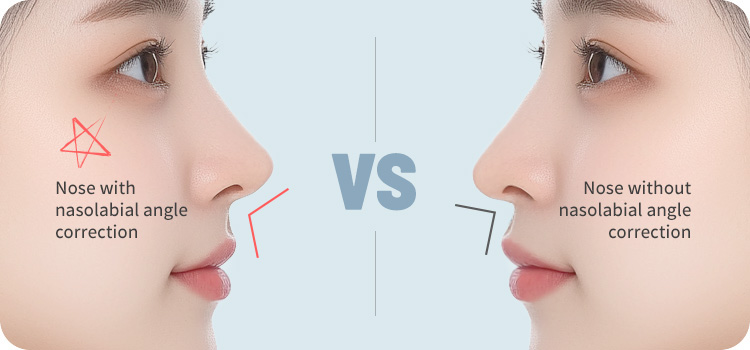
02
A Smaller-Looking Face
Correcting the nasolabial angle reduces the appearance of
mouth protrusion and prominent cheekbones,
making the face look relatively smaller. This can make a significant difference.

03
A Softer, More Defined
Side Profile
Widening the angle between the nose and upper lip
creates a softer, more defined side profile.

Nasolabial Angle Correction
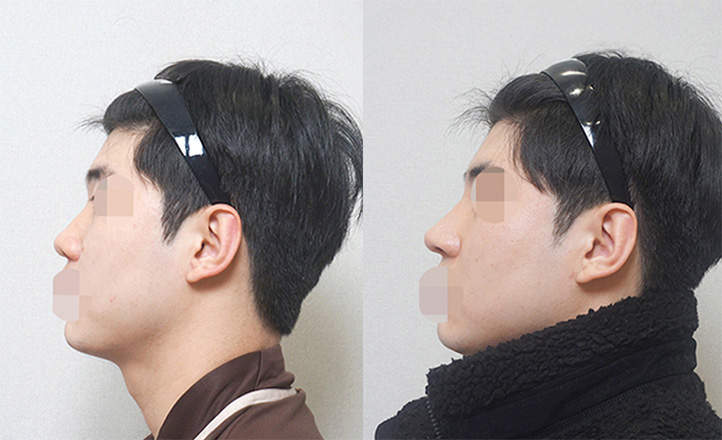
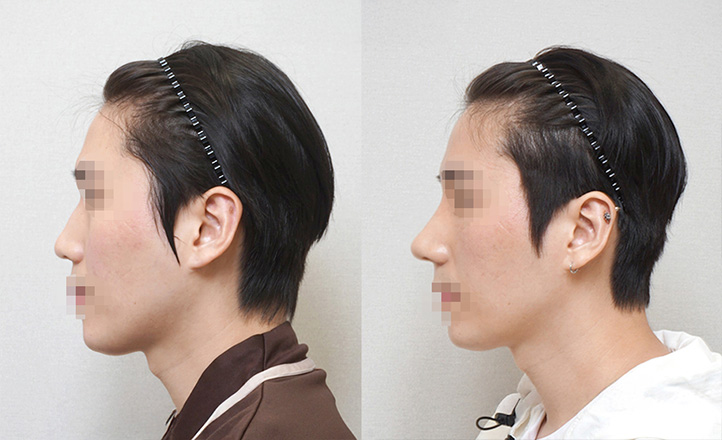
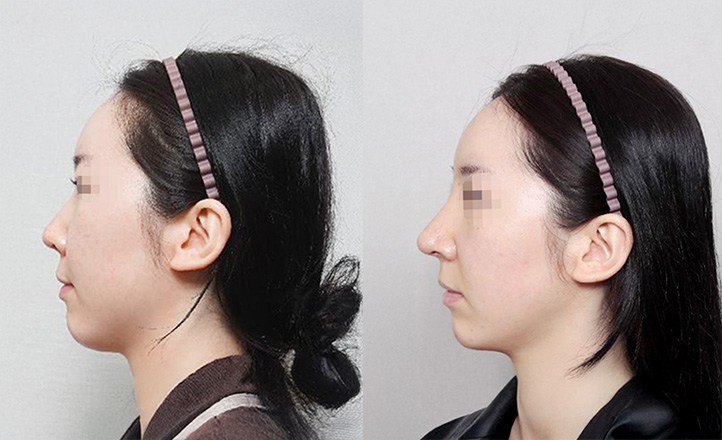
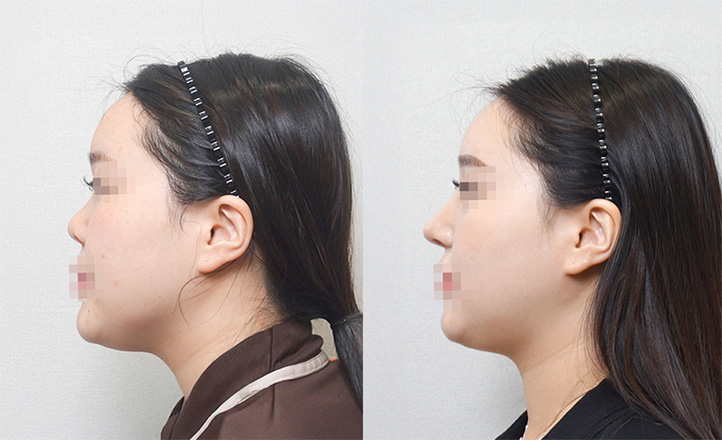
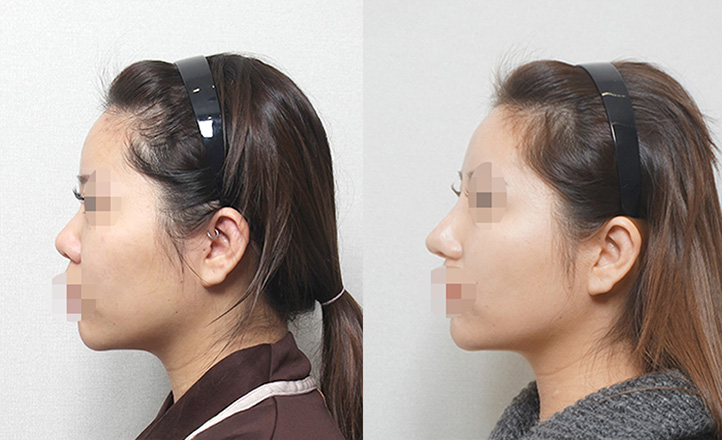
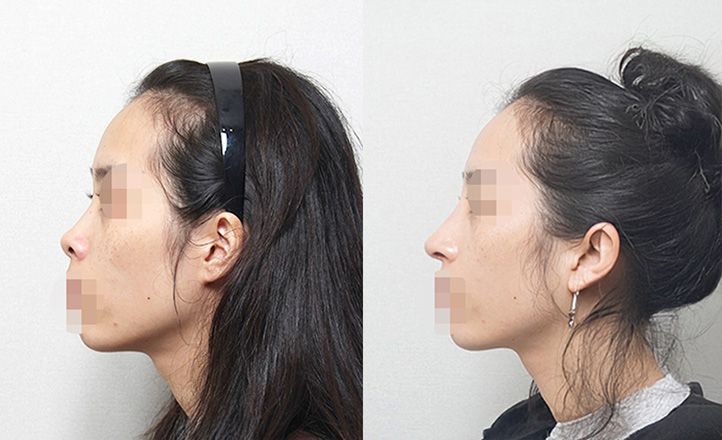
Raising a recessed nasolabial angle adds projection at the anterior nasal spine, where the columella meets the upper lip, to refine the shape of the nose and mouth.
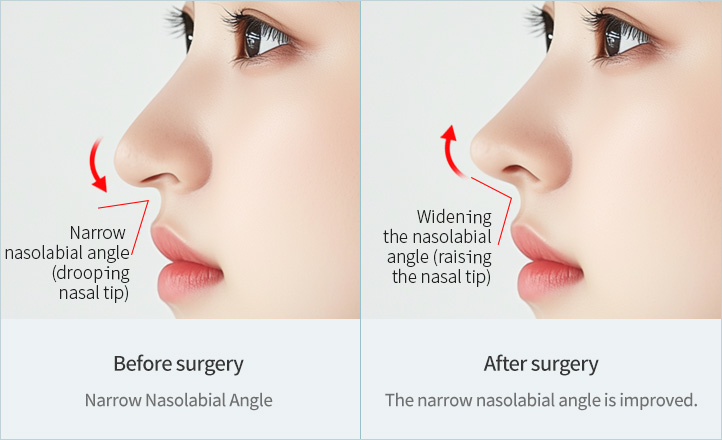
The nasolabial angle is formed between the nose and the upper lip. Raising only the nasal bridge without correcting this angle can leave the tip looking droopy or bulbous. Addressing the nasolabial angle is therefore an important part of rhinoplasty and can produce a more noticeable change.
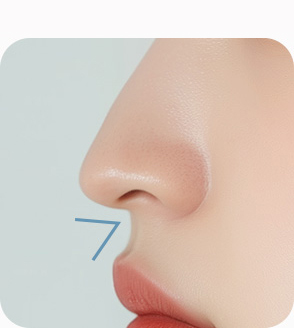
Before Surgery:
A Low Nasal Bridge and Drooping Tip
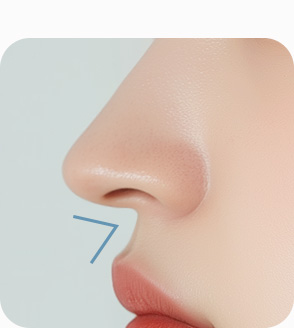
Without nasolabial angle correction:
raising only the tip and bridge
Correcting the tip and
nasolabial angle together
TOPCLASS
Nasolabial Angle
Correction Techniques
Autologous Tissue Rhinoplasty
(Tip and Columella)
Autologous tissue, such as septal or rib cartilage, is used to build support for the tip and columella and shape the nasal tip.
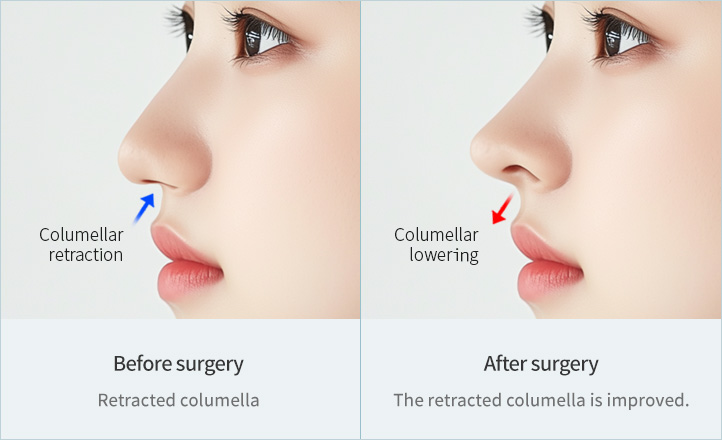
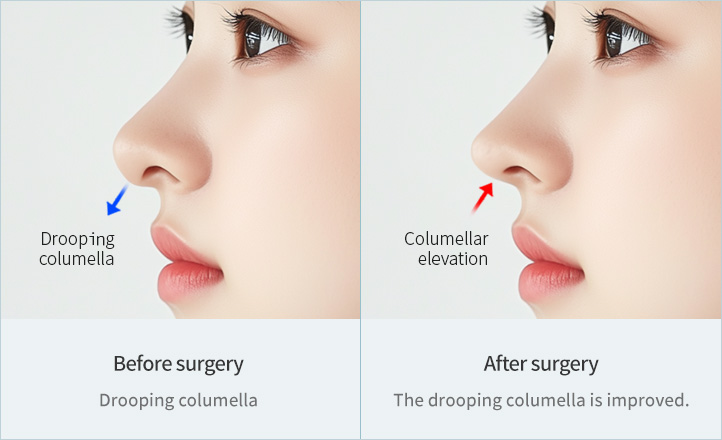
Raising the Columella
A drooping columella can be raised by retracting the medial crura of the alar cartilage and securing them to
the septum, or by removing part of the septal cartilage.
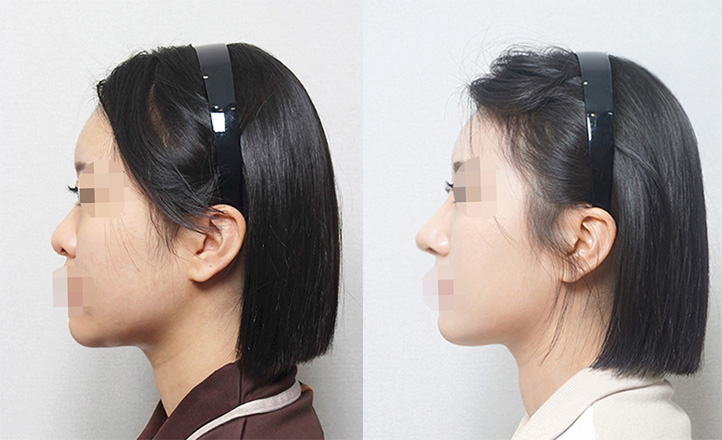
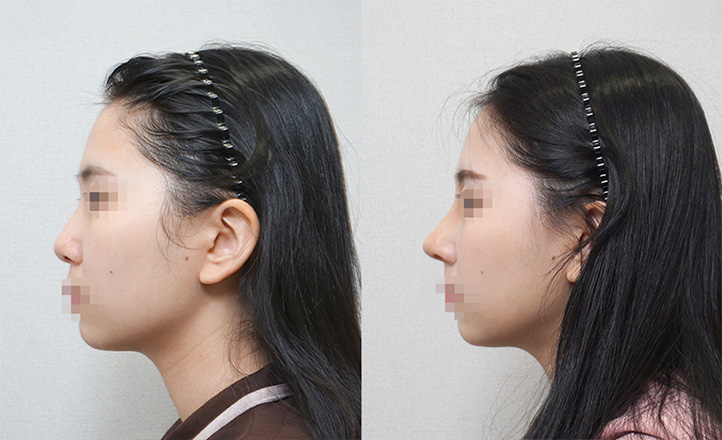
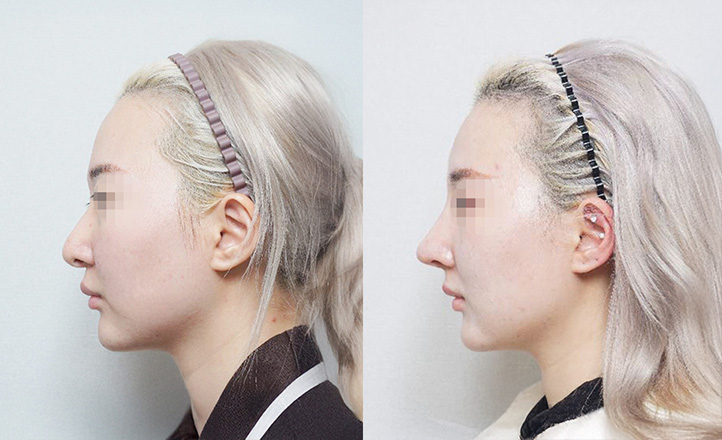
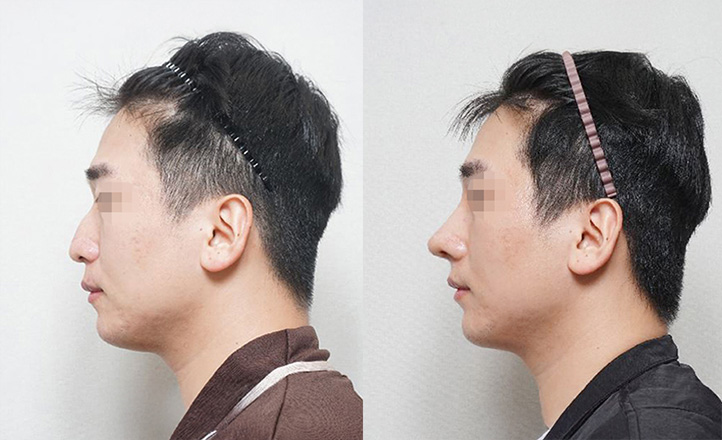
Widening the Nasolabial Angle
A long, drooping tip or low nasal base can narrow the nasolabial angle, making the mouth appear protrusive and the face look older.
Raising the tip and nasal base widens the angle for a more open, refined appearance.
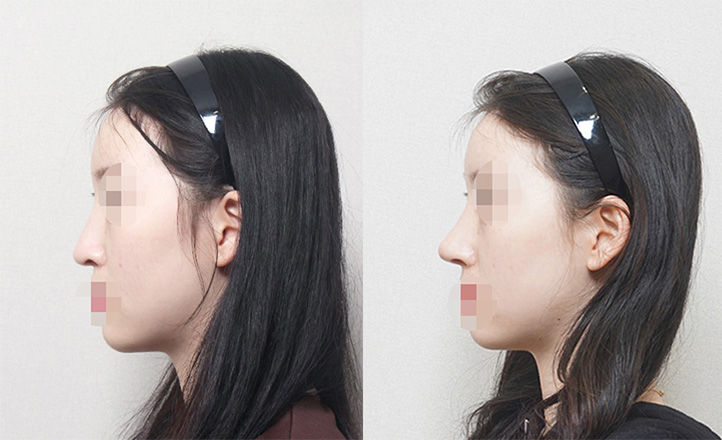
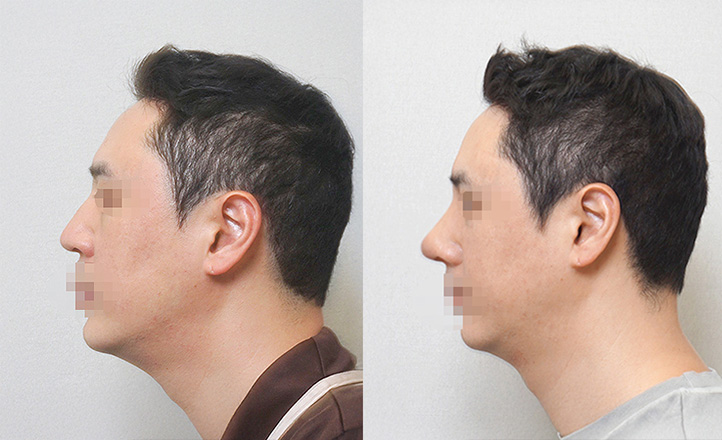
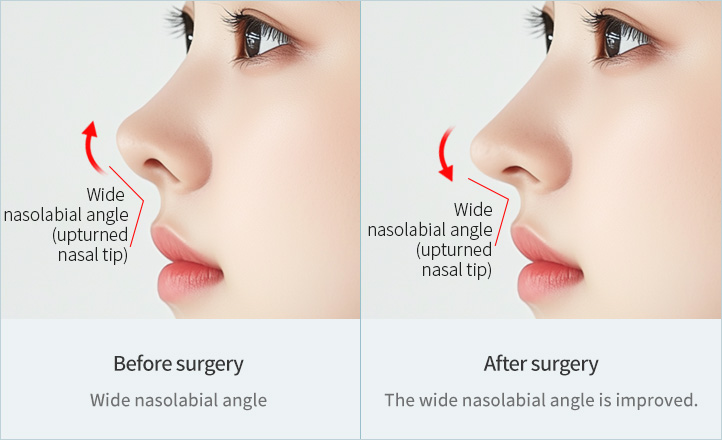
Narrowing the Nasolabial Angle
An overly wide nasolabial angle can make the nose look upturned, disrupt facial proportions, or create an older appearance.
Lowering the tip to narrow the angle can restore a natural nasal profile and expression.

Why Do So Many People
Choose TOPCLASS?
Discover the distinctive qualities behind their choice.
Main Phone: +82 2 567 3456
Call us anytime for a friendly consultation.
Clinic Hours
Weekdays
9 : 30 AM ~ 7 : 00 PM
Friday
9 : 30 AM ~ 9 : 00 PM (Evening Hours)
Saturday
9 : 30 AM ~ 4 : 00 PM
* Closed on Sundays and public holidays
Gangnam Station, Exit 11 / Line 2 and Shinbundang Line
Clinic: TOPCLASS Plastic Surgery
5F, Changlim Building, 416 Gangnam-daero, Gangnam-gu, Seoul
Representatives: Yong Hoon Chun, Hyung Joon Kim
Business Registration Number: 220-08-86836
Tel : +82 2 567 3456
email : topclassprs1@gmail.com
COPYRIGHT (C) 2024 TOP CLASS PLASTIC SURGERY.
ALL RIGHTS RESERVED.